
How to follow up on estimates when the customer goes quiet
You drove out, measured, wrote it up, sent it. Nothing. Here’s the five-touch follow-up that brings quiet customers back without sounding desperate, the exact texts, the timing that works for trades, and when to stop.
What’s the right way to follow up on a quote?
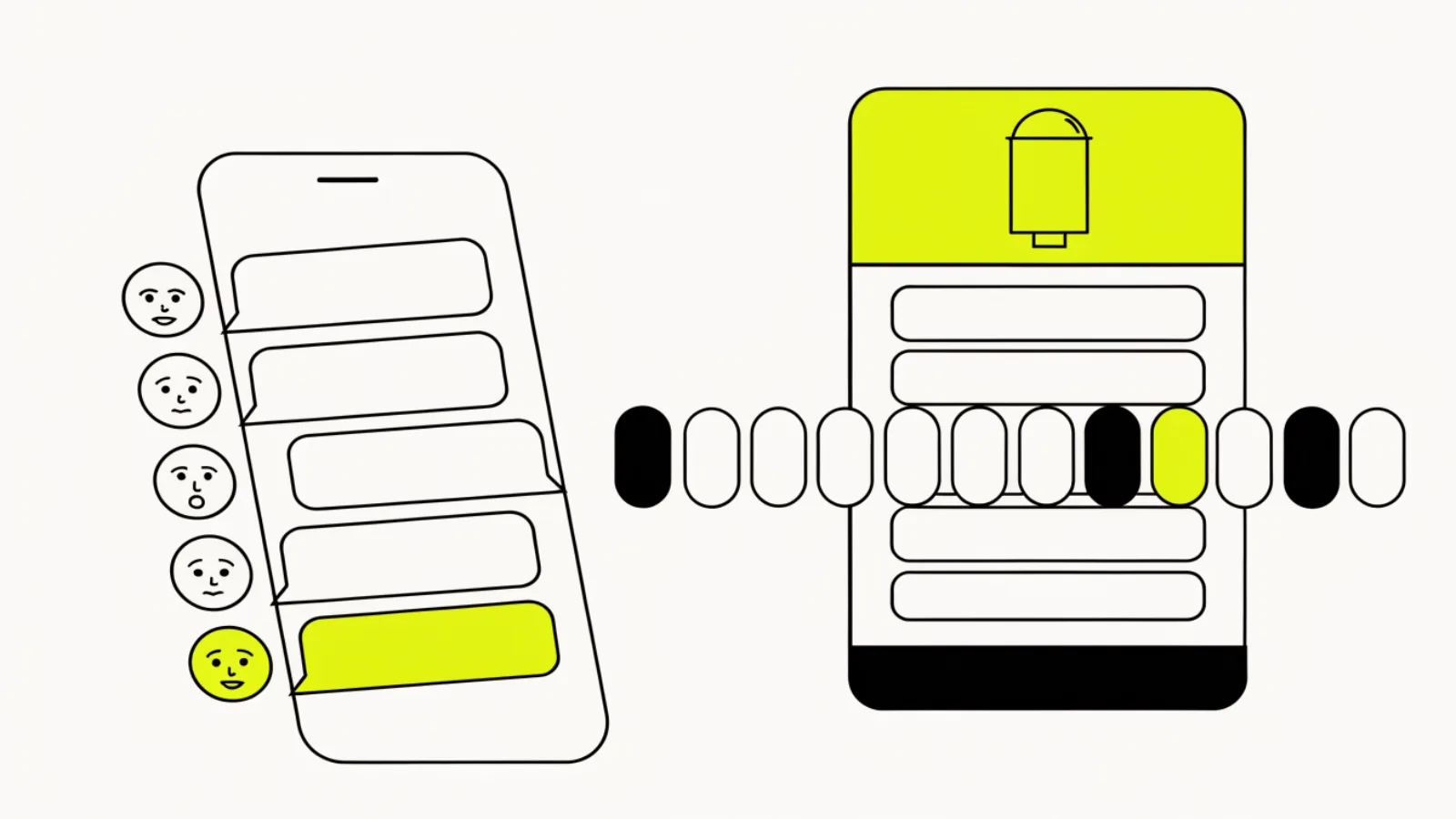
Five touches over 14 days, by text first and phone second: a same-day “did it come through” text, a day-2 question that makes replying easy, a day-5 call, a day-9 text that removes a reason to stall, and a day-14 close-the-file text. Most contractors stop after one or two touches; Hatch’s call-center survey found 63% contact quoted leads only once or twice. The jobs are in touches three to five.
| Touch | When | Channel | What it does |
|---|---|---|---|
| 1 | Within 2 hours of sending | Text | Confirms they got it; opens the thread |
| 2 | Day 2 | Text | Asks one easy question (not “any thoughts?”) |
| 3 | Day 5 | Call, then text if no answer | Hears the real objection |
| 4 | Day 9 | Text | Removes the stall: scheduling, financing, a smaller option |
| 5 | Day 14 | Text | Closes the file politely; often gets the reply |
Why do customers ghost after an estimate?
Mostly not because of price. They got three quotes and can’t tell them apart. The spouse hasn’t looked. They’re waiting on a tax refund. They meant to reply and life happened. A plumber on r/smallbusiness who “lost 2 big jobs yesterday” got the best advice in the thread: never let a conversation end without a specific next step you both say out loud, then text it to lock it in.
And from the homeowner side, the complaint is the mirror image: “I’ll shoot you the quote tonight, then a week passes.” Homeowners on r/homeowners say roughly half the contractors they call never answer and most never follow up. The bar is on the floor. A contractor who follows up five times politely looks organised, not pushy.
What do you actually send?
Copy, swap the name and job, send. Keep them under 300 characters so they read as a text from a person, not a campaign.
Same day: “Did it come through?”
“Hi Maria, it’s Dave with Lone Star Plumbing. Just sent the estimate for the water heater to this number and your email. Let me know it came through and I’m around if anything’s unclear.”
Day 2: one easy question
“Morning Maria. Quick one: of the two options in the estimate, which is closer to what you had in mind? Happy to adjust either.”
Day 5: the call
Call. If no answer: “Tried you just now, no worries. Is it the timing, the price, or still comparing? Tell me which and I’ll make it easy.”
Day 9: remove the stall
“Hi Maria, two things that help folks decide: we can do it Saturday, and there’s a 12-month no-interest option. Want me to hold a Saturday slot?”
Day 14: close the file
“Maria, I’ll take the water heater off my schedule for now so I’m not bugging you. If it comes back up, text this number and we’ll pick it back up. Thanks for considering us.”
Touch 5 gets replies because it’s the first message that doesn’t ask for anything. “Wait, sorry, we do want to go ahead” is a sentence we see in client inboxes every week.
Does the timing change by trade?
| Trade | Decision window | Adjust the sequence |
|---|---|---|
| HVAC repair, plumbing repair, electrical repair | Hours to 3 days; they’re uncomfortable | Compress: touch 2 the same evening, call on day 2, stop at day 7 |
| HVAC replacement, water heater, panel upgrade | 1–3 weeks; comparing 2–3 quotes | Use the 14-day sequence as written; touch 4 is where financing matters |
| Roofing replacement (insurance) | 2–6 weeks; waiting on the adjuster | Stretch: touches at day 1, 4, 10, 20, 35; touch 3 asks “has the adjuster been out?” |
| Landscaping projects, fencing | 2–4 weeks; seasonal, spouse decides | 14-day sequence, then one “spring slots filling” text 30 days later |
| Cleaning (recurring) | 1–7 days | Compress to 7 days; touch 4 offers a first-clean discount |
How do you do this for every quote without remembering?
You don’t remember. The sequence lives in your CRM and fires when a quote is marked “sent.” In GoHighLevel it’s one workflow: trigger on pipeline stage “Estimate sent,” five timed steps, each one pauses if the customer replies so a person takes over. Blazeo’s 2026 benchmark found 62.5% of companies using automation hit their 15-minute response standard versus 39.1% doing it by hand, and the gap is wider on day 9 than on day 1, because day 9 is the touch everyone forgets.
Two rules we build in: the sequence stops the second the customer replies or books, and every text comes from your real business number with your name on it, not a short code.
Texas notes
A follow-up on a quote the customer asked for is a reply to their request, not a cold solicitation, so Texas SB 140 registration doesn’t apply. Still send between 9 a.m. and 9 p.m. (noon–9 p.m. Sundays), keep every text about the job they requested, and stop when they say stop. The day-9 financing line is fine; a text pushing a different product to the same person is where marketing rules begin. Details on our Texas texting rules page.
Questions owners ask
Isn’t five touches annoying?
Not when they’re short, spaced, and each one does something. “Just checking in” five times is annoying. Five different useful messages isn’t.
Text or call first?
Text. Homeowners reply to texts between meetings; calls get screened. The one call on day 5 is there to hear the objection.
Should I offer a discount?
Rarely. Offer a time slot, a payment option or a smaller scope first. Discounts teach customers to go quiet on purpose.
What if they say they went with someone else?
“Thanks for telling me, appreciate it. If anything comes up on this or the next job, we’re here.” Then tag them for a seasonal check-in in six months.
How fast should the estimate itself go out?
Same day, ideally from the driveway. Blazeo found 81% of companies that take over an hour to respond report losing leads.
Email or text for the estimate?
Both. Email carries the PDF; the text says it’s there and starts the thread you’ll follow up in.
Can an AI write these?
It can send them. The words should sound like you, so we write the five once with you and the workflow sends them.
When do I give up?
After touch 5, stop. Move them to a quarterly “still here” list. Pestering past 14 days costs reviews.
What’s a good quote-to-close rate?
Roofing replacement runs 40–50% quote-to-close in the 2026 benchmarks; repair trades higher. If you’re under 30%, follow-up is usually the gap, not price.
Does this work in Housecall Pro or Jobber?
Both have basic reminders; neither pauses on reply or hands off to a person well. Most clients run the sequence in GoHighLevel and push the booking back into their job software.
Next pages
Sources
- Hatch, “36 speed to lead statistics for home service businesses in 2026,” updated 13 Oct 2026 (63% contact quoted leads once or twice; Blazeo 2026 figures): usehatchapp.com
- Foundry CRO, “Home Services Marketing Benchmarks 2026,” 29 Apr 2026 (roofing quote-to-close): foundrycro.com
- Owner threads: r/smallbusiness, r/homeowners
Want the five touches sent for you on every quote?
Thirty minutes on Central Time. We write the sequence in your words, wire it to your “Estimate sent” stage, and it runs from your number from the next quote on.